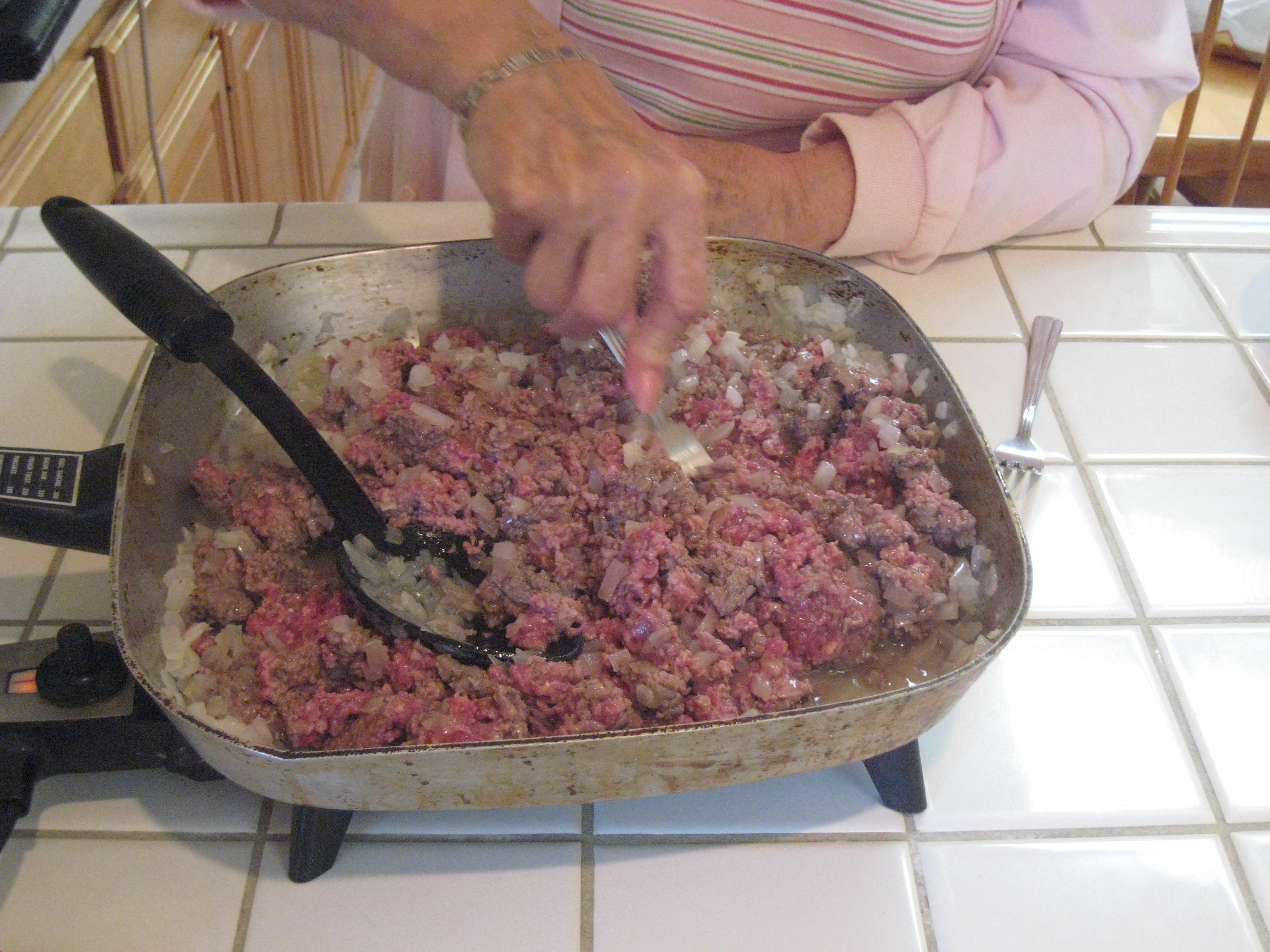
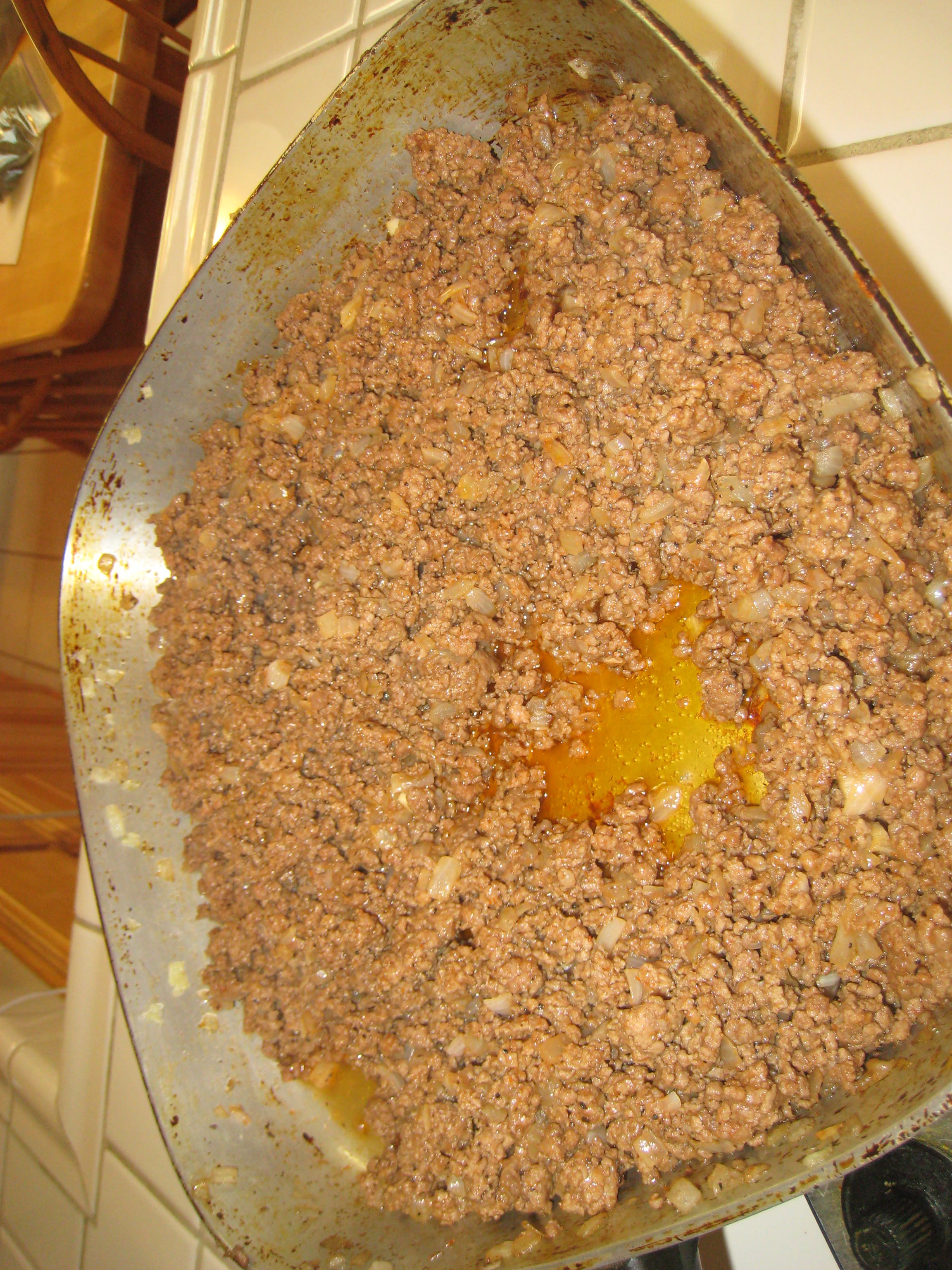
Re-Posting a Passover Favorite…….Keftes di Prassa

We JUST celebrated Purim…..and walking into the market today, I was bombarded with Passover!!!!! Time to start planning our Seder meals, menus for the week…….while preparing delicacies for a Banyo di Novia, in between! Our cooking calendar is busy for the month ahead….all in preparation for happy and wonderful things!!!!

There are several foods that my mom prepares especially and only for Pesah.  Keftes di Prassa (leek patties) is one of those specialities.

In our family, these are vegetarian – others make them with ground meat. (these are one of my husband’s very favorite Sephardic treats!!) Continue reading

“Once Upon a Time…….” those great Sephardic names! by Jack Israel

My dad, Jack Israel, has written many wonderful stories. He currently writes for and edits the “Shofar” for Shomrei Torah Synagogue in West Hills, CA. He has written for and edited the “El Shofar” for Sephardic Temple Tifereth Israel in LA, the “Lashon” for LASHA at the LA Jewish Home, the “Hamerkaz” for the SEC, “The Sephardic Star” for the Sephardic Hebrew Center…..as well as many other publications.

This is one of my favorites…..a reflection on Sephardic names, written near 50 years ago. Enjoy it! As always, your comments are welcome!

Once Upon a Time…..an Ode to Great Sephardic Names
By Jack Israel (aka Jek)

Once upon a time, when a dime was worth a dime,
the Sephardim named their children Solomon and Haim.
It was not unusual then, to hear Benjamin called Ben,
and Leon grew to Leonard, then shortened down to Len.

I sure miss all those Turkish names, like my Uncle Leachon,
and the puzzlers of the spelling game
Batsheva, Sarina and Davichon.

And what about the guy who called his offspring Rahamim,
today you know the kids would say that guy was off his beam!
Betsheva, Bohora and Sinuru –
names that were tested, tried and true…
names that will last to oblivion –
Vida,
eh, now that’s Vivian!

Sephardic Film Festival Opens in Los Angelses……..Oh, What a Night!!!!!

November 16, 2010

Film fest gala a spicy melting pot for Sephardic Jews

BY DANIELLE BERRIN
http://www.jewishjournal.com/ hollywood_jew/article/film_fest_gala_a_spicy_melting_pot_for_sephardic_jews_20101116/

In the Los Angeles Jewish world, the Sephardic Jewish community stands out for two things: its stylishness and its separateness.

Both stem from centuries of religious and cultural practices that evolved outside the predominant Ashkenazi sphere and imbued the community with a kind of flashy distinctiveness. On the surface, last weekend’s opening-night gala of the 10th annual Sephardic Jewish Film Festival was no exception: There was the glamorous venue on the Paramount Pictures studio lot, the red-carpet-worthy movie stars, and because it was a Jewish event, more food than 500 people could consume in one evening — plus dessert.

Even Alfred Molina, the critically acclaimed actor from “An Education,” “Spider-Man 2” and “Chocolat” who served as the evening’s emcee, noted all the sparkle. After leaving his reading glasses at home, he had to borrow festival chair Sarita Fields’ crystal-specked rims.

“I’ve never felt quite so gay as I do now,” Molina said, provoking laughs. He also never felt so Jewish: “I’m half-Spanish, half-Italian, my daughter is Jewish, I love bourekas, so cut me some slack — that’s the closest I’ll ever get!”

The celebration, which commemorated a decade of Sephardic Jewish influence in international film culture, also offered a surprising display of group self-deprecation and insecurity.

“I hate being preceded by someone with a British accent,” Rabbi Daniel Bouskila, director of special projects at the Sephardic Educational Center of Jerusalem and Los Angeles, said of Molina. “Everything sounds better with a British accent. In films, God always has a British accent.”

But the weeklong festival, most of which takes place at Laemmle’s Music Hall 3 Theatre in Beverly Hills, isn’t only about film. In fact, the festival was created to help raise money for the Sephardic Educational Center (SEC), established more than 30 years ago as a center of Sephardic study and culture.

The opposite of clannish, the SEC has an ambitious goal: to impart a global version of Sephardic Judaism, open to any Jew interested in Sephardic customs. The festival’s Nov. 14 opening-night gala honored the center’s founders, Dr. Jose and Freda Nessim (South American, with roots in Syria, Egypt and Spain), as well as producer Michael Benaroya (Greece’s island of Rhodes) and actress Emmanuelle Chriqui (Moroccan).

Despite the self-celebration, in her acceptance speech, Freda Nessim referred to Sephardic Jewry as “the weak arm of the Jewish experience.” And French filmmaker Gad Elmaleh, whose film “Coco” screened that night, mocked the name of the festival: “Forus, it’s not enough to just say ‘Jewish film festival,’ ” he said. “It has to say ‘Sephardic’ first; we have to have our own thing.”

The director and star of “Coco,” a French comedy, joked, “It always sounds better to have a movie by Steven Spielberg than a movie by [Aroun] Benchkaroun.”

The evening’s salt-and-pepper humor was peppered with self-doubt. The Sephardim made no secret of feeling like outsiders in the Jewish community.

“We’re a minority,” Fields, who co-chairs the festival with Neil Sheff, said during a phone interview. “There are far more Eastern European Jews than Sephardic Jews, and then there are so many diverse types of Sephardics that are like minorities within minorities. I used to hear from my grandparents that when they went up to Seattle, people didn’t think they were Jewish — we don’t speak Yiddish, we don’t eat bagels. It’s a whole different culture.”

Bouskila, who recently stepped down after 17 years on the pulpit at Sephardic Temple Tifereth Israel to join the SEC, has a theory about the roots of Sephardic Jewish anxiety.

“If you look at the two major Sephardi dispersions in the last several years — to the United States and Israel — in both places, Sephardim were really not the majority voice or way of life,” Bouskila said. “The predominance of organized Jewish life has largely been Ashkenazic — bagels, cream cheese, lox, ‘Fiddler on the Roof’ — this is what we’ve known as the prevalent cultural depiction of the Jew. The Sephardic Jew was always kind of secondary, or ethnic, or exotic. It wasn’t mainstream.”

Bouskila also said that because Zionism developed largely as an Eastern European idea, Israel also feels heavily Ashkenazic. Since Israel’s founding, Sephardic Jews have felt like “second-class citizens” — and were sometimes treated that way. But, Bouskila added, that’s all changing.

For Chriqui, being exotic was a great benefit in Hollywood. Because of her raven hair, dark eyes and fair skin, she was cast as Adam Sandler’s Palestinian love interest in the film “Don’t Mess With the Zohan.”

“I loved that I could celebrate my background in that role,” she said in a filmed interview that played for the gala audience. Next, she’s off to Budapest to play an Italian duchess in the Showtime series “The Borgias” about a 15th century criminal dynasty.

But Chriqui is best-known for her role on the HBO series “Entourage,” in which she doesn’t so much appear ethnic as American. For her, Hollywood has become a big, messy melting pot where she can be exotic and ordinary at the same time. It’s exactly the kind of thing the Sephardic community covets: a place of Jewish “inclusiveness.”

The SEC, they hope, will become the embodiment of a new Jewish vision.

“We’re ready to spread the word,” Fields said. “We don’t want to be an isolated organization that only reaches out to Sephardim. We want the SEC to be a place where all Jews can learn. We want to be centrist, moderate and tolerant. We want to spread our philosophy and our mission to the greater Jewish world.”

Bouskila has big plans to turn the SEC into a center that will preserve Sephardic culture without limiting itself ethnically.

“It will no longer be an ethnic-based organization,” he said. “It will be a Sephardic institute with a broad-based philosophy open to all Jewish people.”

The way to feel more included, it seems, is to include others. Or, as Fields puts it, “Once everyone becomes secure in their identity, then they can share it.”

© Copyright 2010 Tribe Media Corp.
All rights reserved. JewishJournal.com is hosted by Nexcess.net. Homepage design by Koret Communications.
Widgets by Mijits. Site construction by Hop Studios.
Baklava…and pictures from our cooking day for the Rhodesli Luncheon

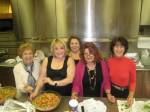
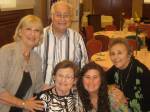
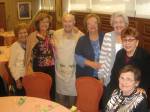
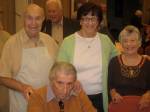
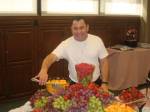
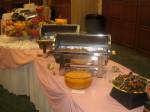
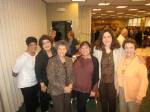
What a joy it was, being with some of my favorite people at Sephardic Temple Tifereth Israel in Los Angeles as we prepared for our Rhodesli Luncheon. Spending many hours on their feet, this group came, recipes in hand, ready to prepare our traditional dishes with love. All were willing to share their recipes, techniques and ideas, and encouraged others to participate and learn. Their time and effort is greatly appreciated…..and the love came through in the delicious foods they prepared and served at the luncheon!

This slideshow requires JavaScript.

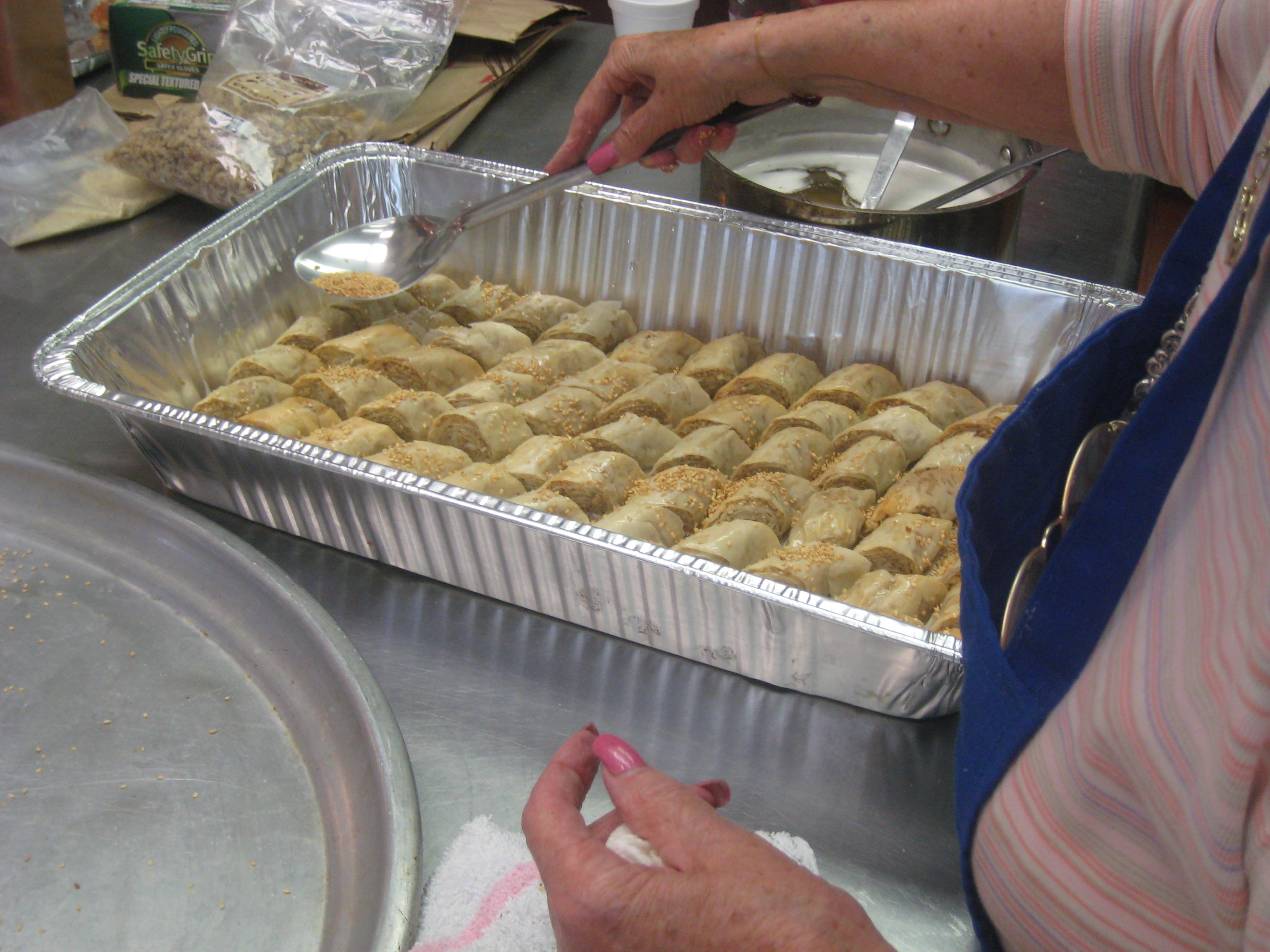
Baklava is a sweet pastry made of layers of Filo dough filled with chopped nuts and bathed in a sweet syrup. It is labeled as a Turkish, Greek or any of a variety of Middle Eastern delicacy. Our families made it on the Island of Rhodes, so we claim it as our own.

There are many variation in making Baklava. Different communities feature different nut mixtures and dIfferent configurations when baking. My mom makes a rolled variety. Here is her recipe:

Kaye Hasson Israel makes Baklava

ingredients:

1 Lb prepared FIlo Dough
5 Cups almonds, ground (or other nuts of your choosing)
1 C Sugar
1/2 tsp ground Cinnamon
1 tsp ground cloves
1 C oil in a small bowl.
1/2 C Tasted Sesame Seeds (optional)

Prepare a mixture using ground nuts, sugar, cinnamon and gloves. Set aside.

Open package of Filo. Keep moist and usable by placing a moist cloth over the waxed paper covered batch of Filo that you are not currently using ( otherwise, Filo has a tendency to dry out).

Place one layer of Filo on your work surface. Brush with oil. Place a second layer of Filo directly on top. Brush second layer with oil.

Sprinkle nut mixture in a thin, even layer on brushed Filo. Top with one additional sheet of Filo. Brush with oil.

Begin to roll Filo tightly. Slice rolled Filo log at a diagonal. Cut approximately 1 inch in length. Place cut pieces on a cookie sheet, lined with parchment paper.

Bake in a 350 degree oven for approximately 20 minutes (Since ovens vary, watch as it bakes…when it begins to take on color, you can remove from the oven)

Allow to cool.

In the meantime, prepare syrup.

Syrup ingredients:

1 1/2 C Honey
1 1/2 C Sugar
1 C Water

Combine all ingredients. Boil on stove. Cook until it becomes “sticky” (if you have a cooled bit between your fingers, it should form “strings”)

When syrup is ready, pour over tray of baked Baklava. Allow syrup to soak in.

For serving, “soaked” piece of Baklava can be placed in size-to-fit paper Bake Cups (often called Cupcake liners) and placed on a serving platter.

Divine!!!!!

My good friend, Linda Capeloto Sendowski, in addition to being one of the most fun and positive people I know, is a veteran gourmet food blogger. She has published a video of my mom making Baklava as well as a few photos of our cooking day on her blog, The Boreka Diary. Check her blog often…. she is a wonderfully creative cook!

Aron Hasson has also published some pctures on the Rhodes Jewish Museum site. Another fun site to browse!!!

Enjoy visiting our sites….tell us about your cooking adventures.

Bendichas Manos!!!!

Fasulia (Green Beans a la Turka) {with added video!!}

For our last Rhodesli luncheon, we decided to have a homemade meal, “comida di casa”. Cooking for our families…we can do. Cooking for extended family gatherings, o.k. Cooking for a group of 100 (turned out to be 118)……a bit of a challenge!!!! However, an incredible group of volunteers made the arrangements, purchased and carted all the necessary ingredients, brought their recipes and energy and spent the day(s) in the Sisterhood Kitchen of STTI and got the job done!!!

Morrie Y. Angel made Fasulia (green beans) for us!

Here he shares his ingredients list and recipes:

Fasulia
(Green Beans a la Turka)

3 – 4 lbs Fresh Green Beans
2 Onions, peeled and chopped
2 Tblsp Olive Oil
2 Cans ( 14.5 oz size) Diced Tomatoes (Morrie prefers Fire Roasted)
Juice of 1 Lemon
1 Tblsp Sugar
1 Small Can Tomato Sauce
Mrs. Dash Seasoning, to taste

Wash and cut tips off green beans. If bean seems too long, cut in half.
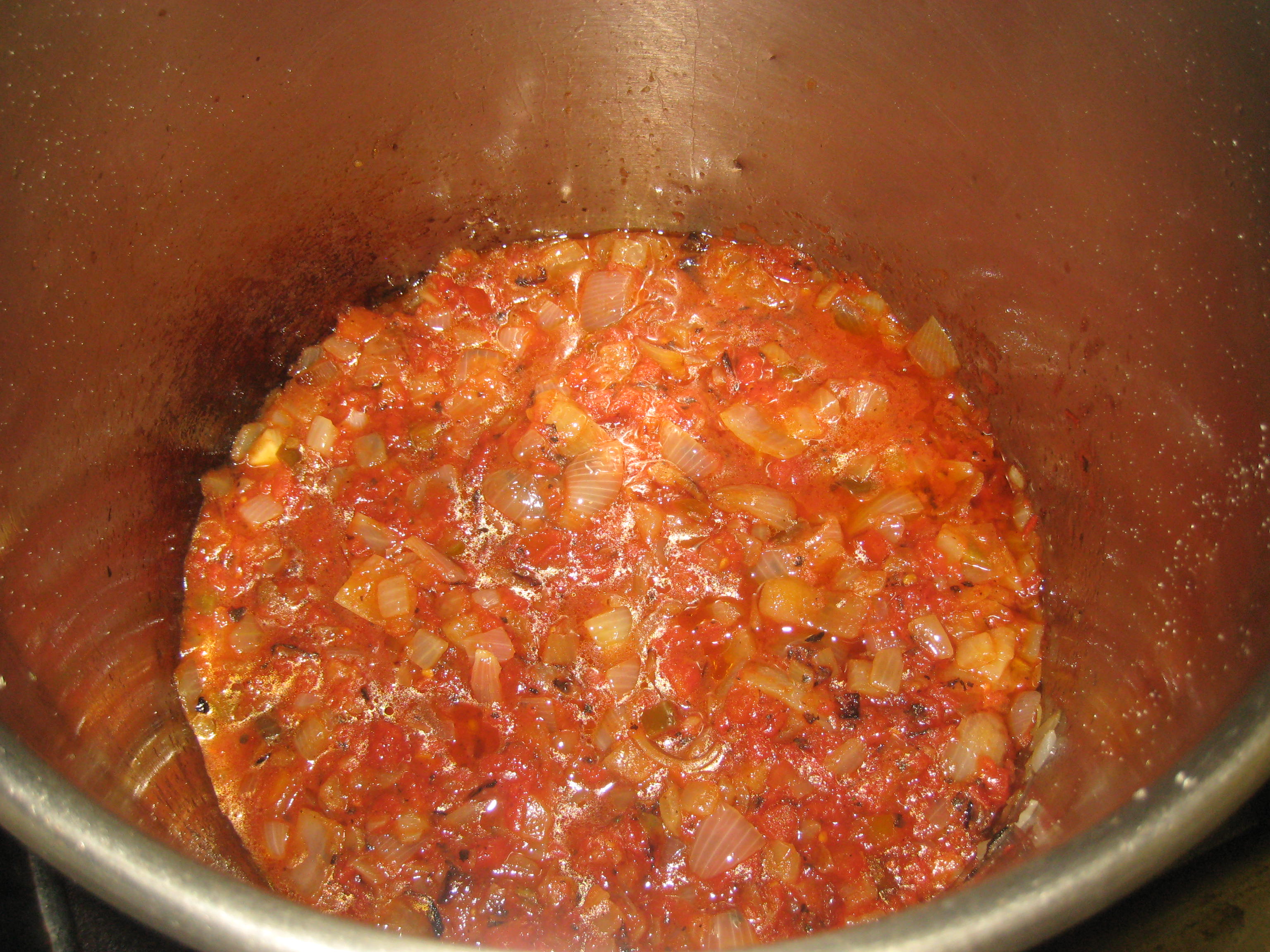
Saute chopped onions in 2 tblsp oil, until translucent.
Add two cans of diced tomatoes, juice of 1 lemon and 1 tblsp of sugar. Add Mrs. Dash’s Seasoning, to taste.
Simmer for 20 – 30 minutes.

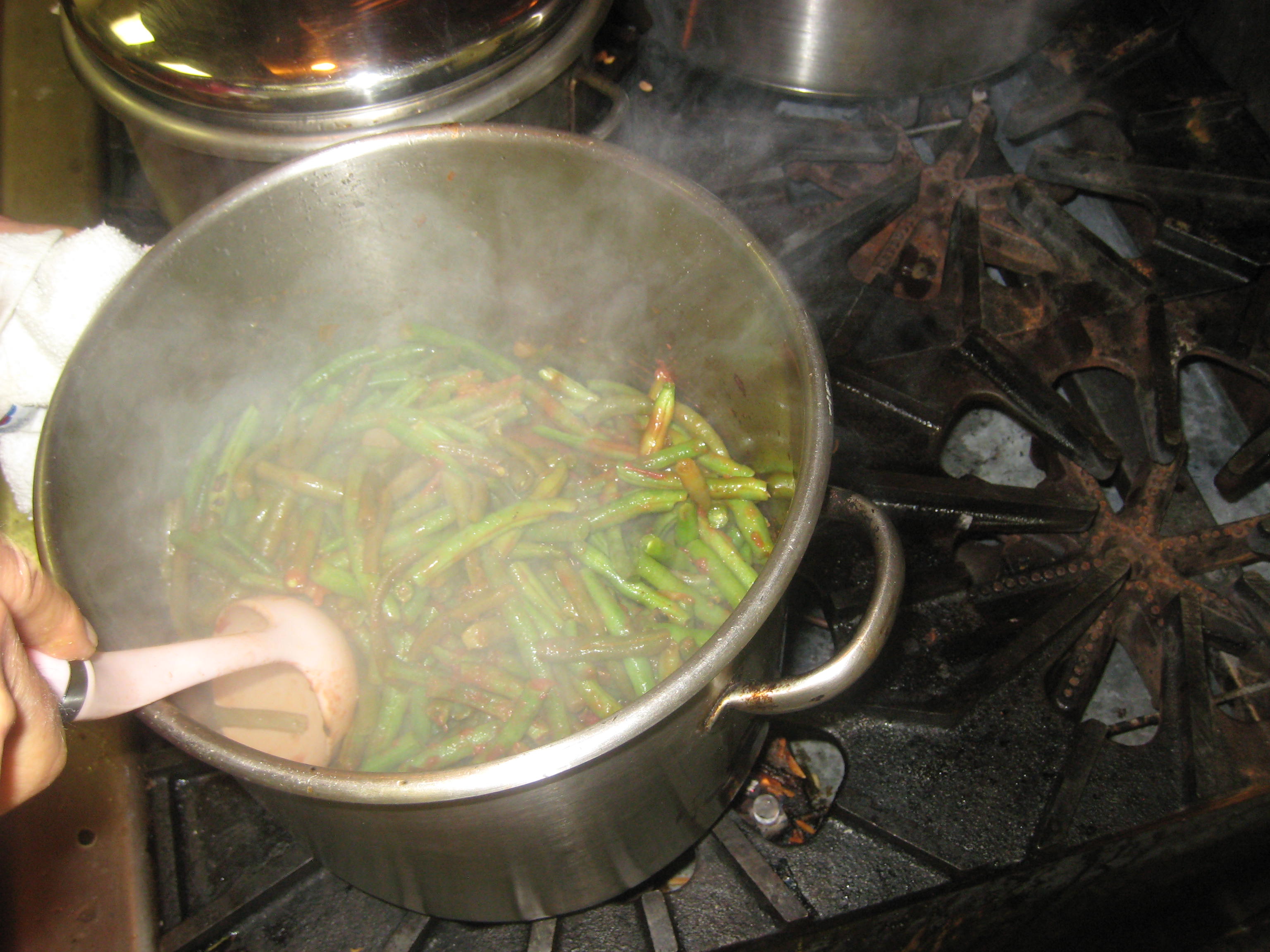
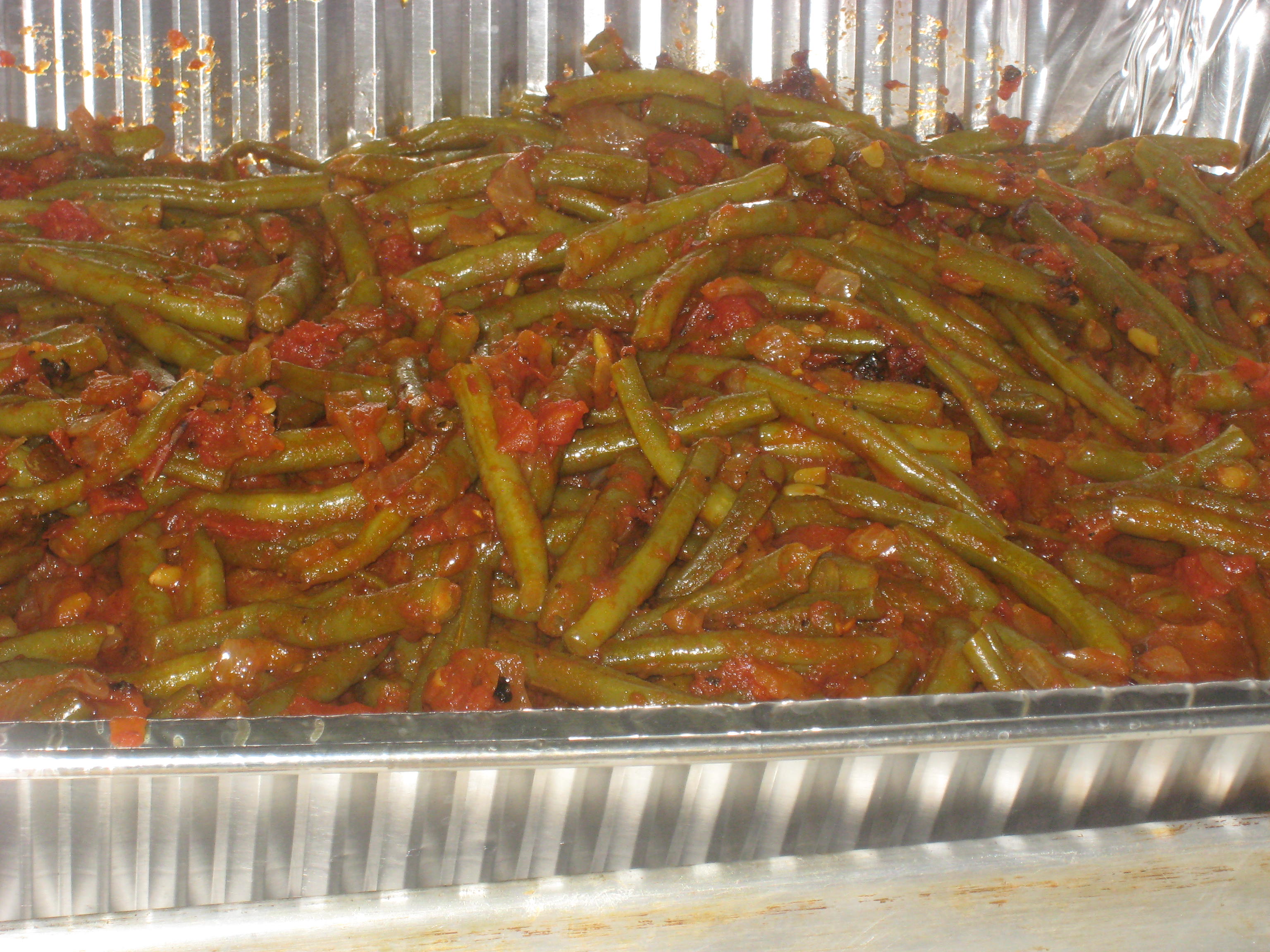
Add string beans to simmering sauce. Coat beans, bringing sauce up from bottom of pan. Add 1 small can of tomato sauce, for more “caldo” (sauce). Cook over medium heat for 1 hr, turning and basting every 15 minutes.

(editors note: Green beans were crisp, flavorful and excellent!!!!!!)

Rhodesli Luncheon….Sunday, October 24, 2010

How absolutely fortunate we are to have the chance to be together and enjoy each others company!!!   We, Rhodeslis, whose parents, grandparents, or great grandparents hailed from the Island of Rhodes….. eventually landing in Southern California.   So many of those early immigrants settled and raised their families in the L.A. area, near 55th and Hoover, where our community synagogue, Ohel Avraham, was built.
The next generation moved to all parts north and south to raise their families, post WWII, and still we stayed connected, through familial and community ties.  We stayed connected even when we didn’t have a synagogue center, holding High Holiday services at the rented YMCA building on Santa Rosalia in Baldwin Hills. Eventually we built our Sephardic Hebrew Center near Slauson and La Cienega. Through all the years we gathered for picnics, social events, beach parties, always enjoying each others company and our shared history and heritage. Our social gatherings were legendary: Luaus, Mediterrean Nights, Fideo Rodeos…..what great memories we have!   Ultimately, we merged with our friends at Sephardic Temple Tifereth Israel on Wilshire Blvd in Westwood.   And as we share our traditions with the greater Sephardic and Jewish communities, we still enjoy those occasions when we gather together, Rhodeslis, to share that connection that is uniquely ours.  How very blesesd we are!!
Some photos and videos from our gathering.  Please pass this site around to those who may not receive Bendichas Manos yet.  All are invited to subscribe (free of charge!) and receive updates as they appear.   Stayed tunes this week for recipes of the goodies served at this luncheon!!!
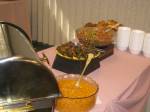
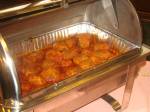
A great time!  Sincere thanks to all who worked to plan and create this event and to all the cooks who lovingly prepared the lunch – Bendichas Manos!!!!


This slideshow requires JavaScript.


Pastelles (Pastelicos)…..Savory Meat Pies (updated with “how to” video)

Pastelles (Pastelicos)

 
Savory Meat Pies

Beautiful to behold – a delectably delightful treat!  Something special to add to a Meze (appetizer), or as part of a special meal!
My boys grew up enjoying the treat of their grandmother’s pastelicos.  I remember my mom taking them out of the oven and onto the “Bancu” (countertop) to cool. My two sons, playing that day with their cousins of similar ages, stopped by the kitchen a dozen times that afternoon….walking out with a fresh and warm pastelico each time!!!!  As my mom recalls, “a grandmothers true joy!”, seeing them enjoying the labor of her heart and hands!!!!
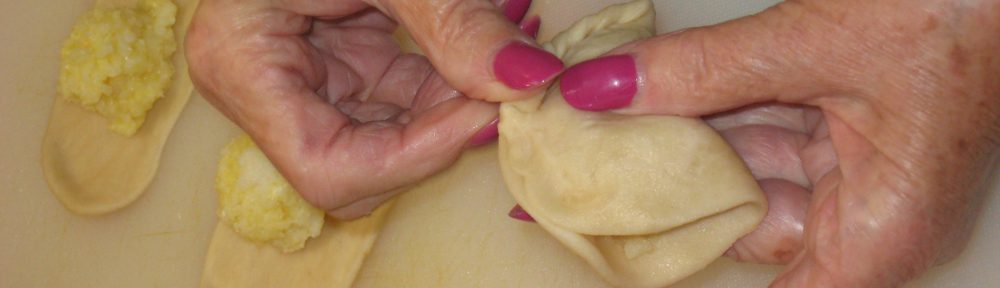
Pastelicos are made from the same dough as burekas ( a great dough to use for an All-American pie, as well!!)
When baking with my mom, we make the “conduchu” (filling) first.
 
Ingredients for Meat Filling
 
2 onions, peeled and diced
2 lbs ground beef
5 tsp tomatoe sauce
a dash of cayenne pepper (or pepper flakes) and garlic powder
Salt & Pepper to taste
1/4 C rice
1 egg
1/2 C chopped parsley
Parboil rice. To do so, bring 3/4 C water to a boil.  Add 1/4 C rinsed rice.  Cook covered on stove approximately 10 minutes on low/simmer heat.  Rice should be only partially cooked.
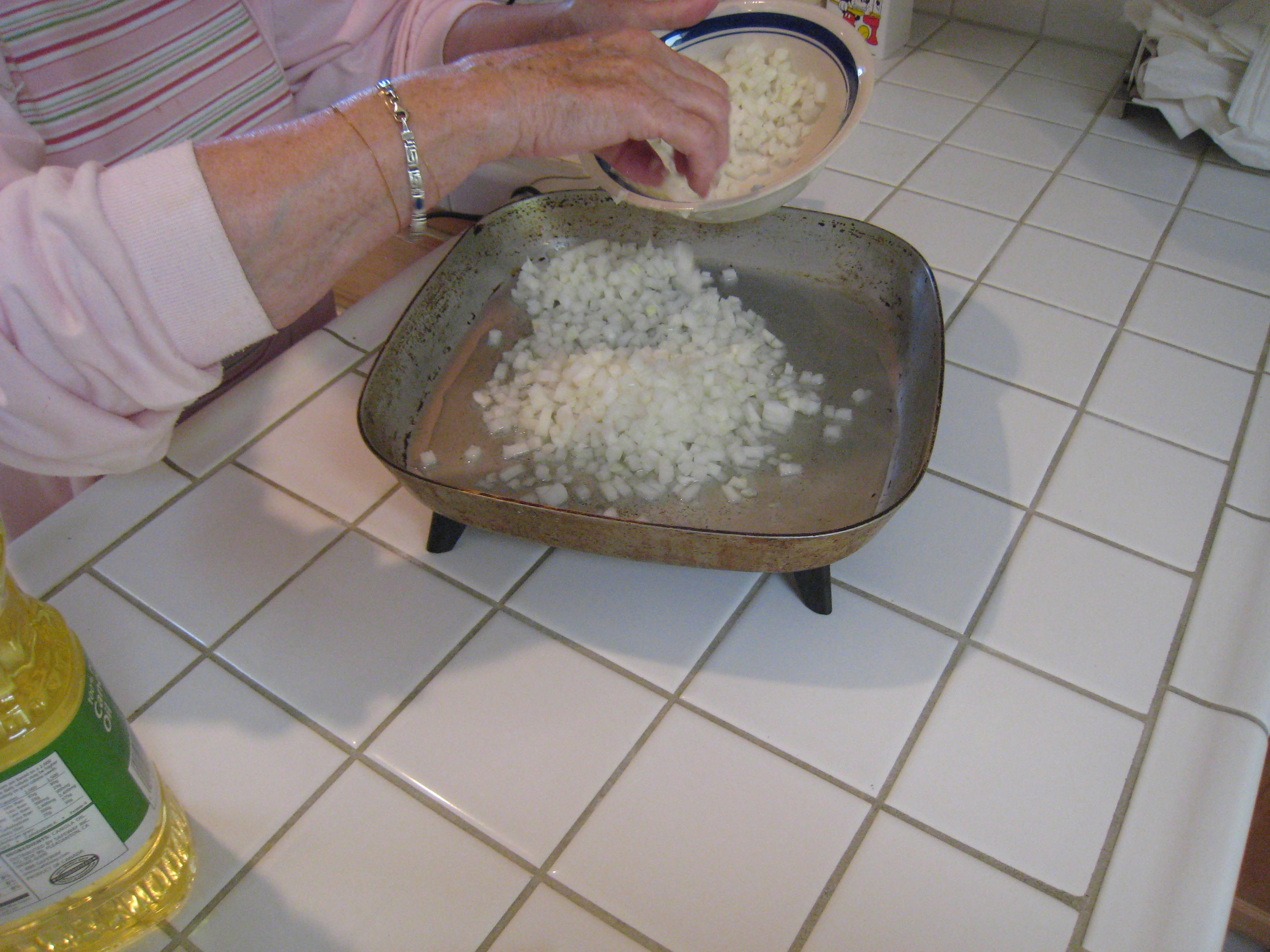
Next, in a large skillet (or electric frying pan) saute diced onions, using 3 -4 Tblsp of oil.
Add 2 lbs of ground beef and brown.  Add tomato sauce and spices, Add parboiled rice, followed by chopped parsley.  Add 1/4 C of water to mixture.   Cover and cook on medium heat until all water is absorbed. Add egg to mixture to bind.  Should take approximately 35-40 minutes to cook.
While cooking, begin making dough.
Ingredients for Dough ( to make pastelicos and burekas)
3 C Ice water
2 1/2 C oil
1 tsp salt
10 – 12 C flour
Put ice in measuring cup and ice water to 3 cups.
Add  oil and salt.
Incorporate flour into dough as you add it.  (Ice cubes will melt and/or will “pop up” and you will remove as dough is mixed.)
Once dough is ready, prepare balls the size of an apricot for the “cup”, and a ball the size of a walnut for the “hat”.
Using your thumb, open the “cup”. Fill with a scoop of the meat mixture.  
Take a walnut sized ball and dip it in a bowl of sesame seeds, then flatten. Place on top of the filled “cup” (sesame seed side facing out).  Crimp close the edges.  Place in a cupcake tin. (helps pastelicos keep their shape). Brush with an egg wash (beat an egg with a few drops of water).
Place in oven at 350 degrees,
Keep on lower shelf until bottom begins to turn color (golden)….about 20-25 minutes.  {this will depend on your particular oven.  Check a few times first time to be sure}.
Move to top shelf until tops are a gold color.
Pastelicos are delicious right out of the oven! (after a few minutes of cooling).  They freeze well.  Pack in airtight freezer bags or boxes.   To enjoy from the freezer, defrost (or zap in the microwave) and reheat at 350 degrees in the oven.
Enjoy!!   Bendichas Manos!!!

News Update….New Direction for the Sephardic Educational Center

We thought you might be interested in reading about the new direction for the Sephardic Educational Center, based in Jerusalem with programs and support throughout the world.  Welcome onboard, Rabbi Bouskila….congratulations to the SEC.   Stay tuned…and join us!!!

http://www.jewishjournal.com/community/article/bouskila_takes_leadership_at_sephardic_educational_center_20100420

Visit us on Facebook at “SEC”   Online at : http://www.secjerusalem.org

Mimouna….a celebration marking the end of Passover

Passover will end this Tuesday evening.  The Moroccan Jewish community marks the occasion with a wonderful celebration called “Mimouna”, an evening filled with symbolic foods,  special delicacies and good wishes. Thank you to Rabbi Daniel Bouskila for sharing this story about Mimouna with us to share with “Bendichas Manos” readers!

We are blessed with many and varied traditions in our communities…..May we all have the opportunity to share in this beautiful, traditional celebration at some point, and appreciate the “salad bowl”, the colorful and meaningful variety of those traditions we share.

http://www.tabletmag.com/life-and-religion/29821/it-is-risen/print/

It Is Risen

At the end of Passover festival known as Mimouna, Moroccan Jews return to yeasty treats in grand style

BY LARA RABINOVITCH | 7:00 am Apr 2, 2010

Many Jews will mark the end of Passover unceremoniously, with a slice or pizza or a piece of toast. Yet for Moroccan Jews, and increasingly for other Jews as well, the transition back to eating bread and other yeasty foods is celebrated in grand style with a feast known as Mimouna.

Traditionally, Mimouna is celebrated in Moroccan homes after sundown on the last day of Passover with a sumptuous spread piled high with sweet delectables, including stuffed dates, candies, brightly colored jams made of carrots, beets, or citrus fruits (known as mazune), and zabane (almond nougat). Most importantly, mufleta, thin pancakes doused in honey, are eaten with abandon. Thus in a similar way to how Yom Kippur is ended with an elaborate breakfast, on Mimouna tearing into a plate of freshly baked food signals the end of matzo-filled days and the start of something new.

The Mimouna table is not set as usual but is covered with “an array of symbols that are basically variations on a theme,” explains Continue reading