Sephardic Music and Melodies

When I cook, especially for Shabbat and the holidays, I love to listen to Ladino and Hebrew music!  It puts me in a great mood and a holiday frame of mind.  The Jewish Community of Rhodes has a website.  Included is a page containing a collection of wonderful Ladino songs and their lyrics.  Visit and take a listen….we think you’ll enjoy them!

http://www.jewishrhodes.org/?page_id=46

We thank the Jewish Community of Rhodes for posting the songs and we thank the Rhodes Jewish Museum for the link!

Enjoy!!!  Bendichas Manos!!!!

In the Moroccan tradition……the blessing of Bibhilu

My cousin Leah’s husband, Avi, introduced the “Bibhilu” tradition to our Passover seder….one which we now look forward to each year.  Rabbi Bouskila offers a beautiful explanation for the “Bibhilu” in a column he wrote for the Jewish Journal some years back.

May we all have the opportunities to share those traditions we hold dear, and to learn and always add new ones to our families, as well.   Pesah Alegre to all!

The Jewish Journal
April 21, 2005

April 21, 2005The Blessing of Bibhilu

A Sephardic ritual calls attention to God’s place at the seder table.

BY RABBI DANIEL BOUSKILA

http://www.jewishjournal.com/articles/item/the_blessing_of_bibhilu_20050422/

A book’s opening chapter is crucial to setting the mood and aura for the remainder of the book’s journey. Likewise, the opening scene of a film usually helps set the tone for what will ensue.

The Passover seder is both a reader’s experience and a moviegoer’s. We sit around the table and read the haggadah, and we also witness a host of rituals. But how does the seder leader creatively capture an audience and draw it into the experience from the beginning?

My father is neither novelist nor screenwriter, but from childhood he exposed me to a Moroccan seder ritual that immediately drew all those around the table into the full experience of a seder. This ritual is affectionately known amongst Moroccans as Bibhilu.

Following the kiddush, the karpas, and the yahatz (division of the matzah), the leader takes the brass seder plate, adorned with all of the ritual items, and he begins to walk around the table, waving the seder plate over each person’s head. As the plate is being waved, the entire gathering at the seder chants in unison: “Bibhilu yatsanu mimitsrayim” (“In a hurry we left Egypt”). When my father did this, each of us wondered whether he would simply wave the plate above our heads or knock us over the head with it. This ritual created lots of positive energy — between the anticipation of your turn under the plate and the chanting in unison of Bibhilu.

Yes, it’s a lot of fun. But is there a deeper spiritual meaning, or is this ritual simply some gimmick meant to create excitement among those who might be otherwise bored?

Throughout my life, I have always celebrated the seder in Moroccan fashion, Bibhilu and all. But only a few years ago did I first see a Moroccan haggadah.

At the beginning, there was, as in all haggadot, a drawing of the seder plate, illustrating the placement of each ritual item, which generally followed the Sephardic tradition. I had always known that Sephardic Jews arrange the seder plate differently than Ashkenazim, but again, I never knew why.

The Sephardic pattern, I knew, derives from tradition attributed to the great kabbalist from Safed known as the Ari (Rabbi Isaac Luria). In this haggadah, the drawing not only reflected the Ari’s Sephardic arrangement, but it added something that I had never seen, something which suddenly tied together for me the logic behind the Sephardic arrangement, and the reason behind the Moroccan Bibhilu ritual. Next to each ritual item on the plate was written one of the 10 kabbalistic sefirot, the mystical dimensions describing the sacred attributes of God. The three matzahs correspond to keter (crown), chochmah (wisdom) and binah (understanding); the shank bone corresponds to hesed (kindness); the egg corresponds to gevurah (strength); the bitter herbs correspond to tiferet (beauty); the charoset corresponds to netzach (victory), the karpas corresponds to hod (splendor), the hazeret corresponds to yesod (foundation); and the seder plate itself represents malchut (kingship).

It suddenly dawned upon me that, with this mystical arrangement, the seder plate is no longer just a platter carrying a selection of ritual items. The Ari’s Sephardic arrangement transformed the seder plate into a sacred representation of God, which means that when the seder plate is waved above your head during Bibhilu, you are being blessed by the spiritual strength of the Shekhina. The body of God, as represented by the sefirot, is now being waved above your head, and for the rest of the evening, the presence of the seder plate on the table represents the presence of the Shekhina in your midst.

From then on the Bibhilu ritual suddenly meant a lot more to me, because I now understood that, in addition to drawing in the audience, the Bibhilu ritual also represented a spiritual blessing for each participant as he or she prepares to set off on the haggadah’s storytelling journey from slavery to freedom.

As an American Jew raised in a Moroccan Jewish home, the Bibhilu ritual will always be part of my life. Having experienced it from childhood, and now coming full circle to understand its meaning, I will always look at the seder plate as a source of blessing and sanctity throughout the evening. Whether you are Moroccan or not, this ritual can become a powerful way to help infuse your seder with a newfound spiritual depth.

As it turns out, my father is now in a wheelchair, so he has transferred this privilege and responsibility to me. And yes, after all of those years under the seder plate, it’s lots of fun banging my father over the head while we all chant Bibhilu.

Daniel Bouskila is rabbi at Sephardic Temple Tifereth Israel.

© Copyright 2010 The Jewish Journal and JewishJournal.com
All rights reserved. JewishJournal.com is hosted by Nexcess.net. Homepage design by Koret Communications. Widgets by Mijits. Site construction by Hop Studios.

Ashuplados!!!! Meringue Clouds…..

Meringue clouds…..a divine confection of the Gods!  A special occasion delicacy passed down by our grandmothers !

Growing up, we knew it was a very special occasion when Grandma made Ashuplados……meringue clouds!  Sweet….light as a feather, a light shell on the outside. Texture, sweetness……simply….divine!!!

They look beautiful on a sweet table, and delight young and more mature and sophisticated palettes alike!

These are one of my mom’s signature delicacies.  They were prepared this week for my young cousin’s  “Banyo di Novia”.  They are a superb Pesah treat, as well. Continue reading

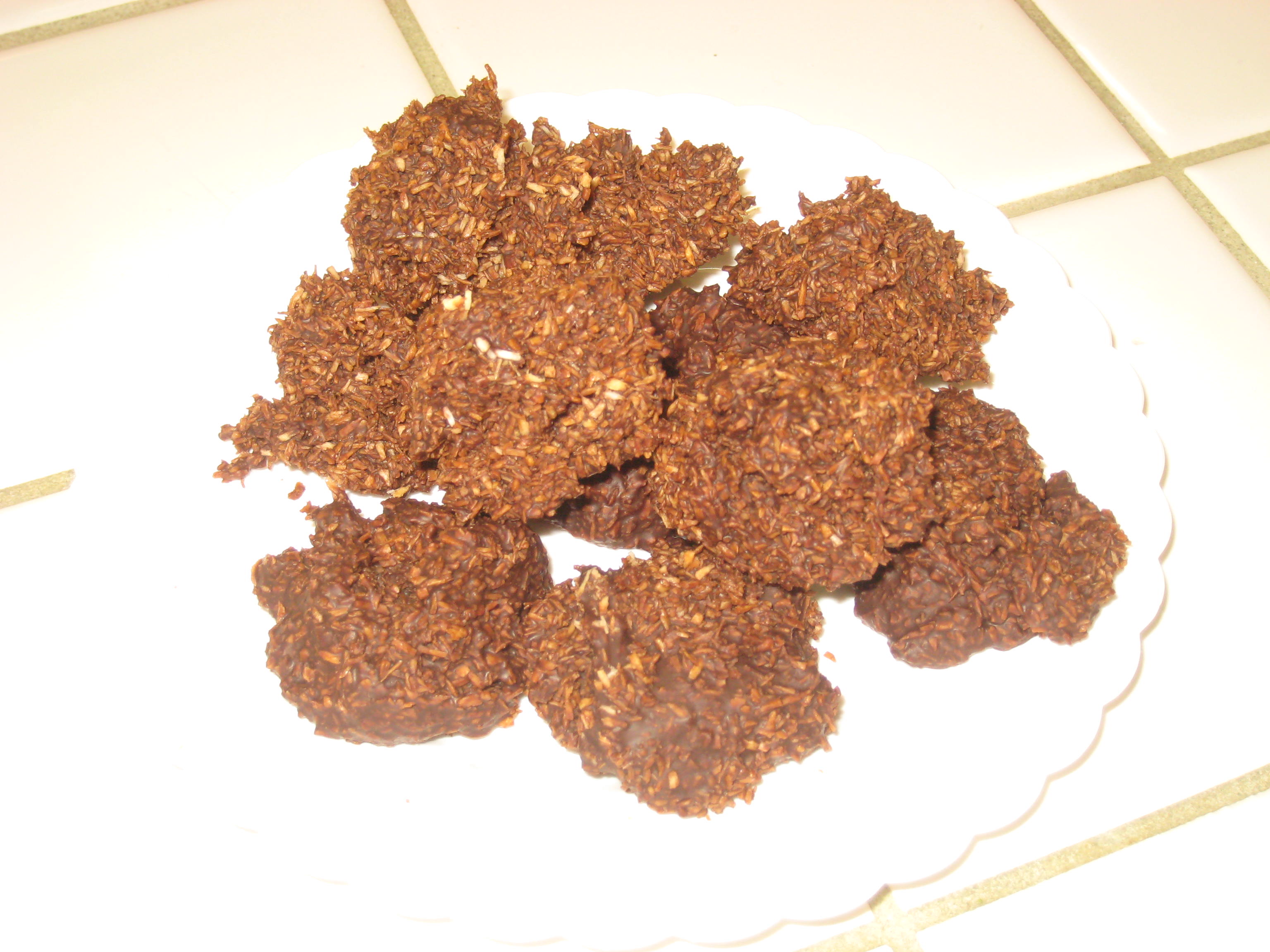
Cousin Sally’s Passover Coconut Cookies

Try this fun and yummy coconut and chocolate confection for Passover  ( or anytime during the year!!!)

My cousin Sally Senzell Isaacs shared this with us a few years back, and it has become a family favorite!  Easy to prepare, they freeze well and can be made in advance.

Ingredients:

1  1/2 C shredded coconut

(optional: add 3 drops of almond extract)

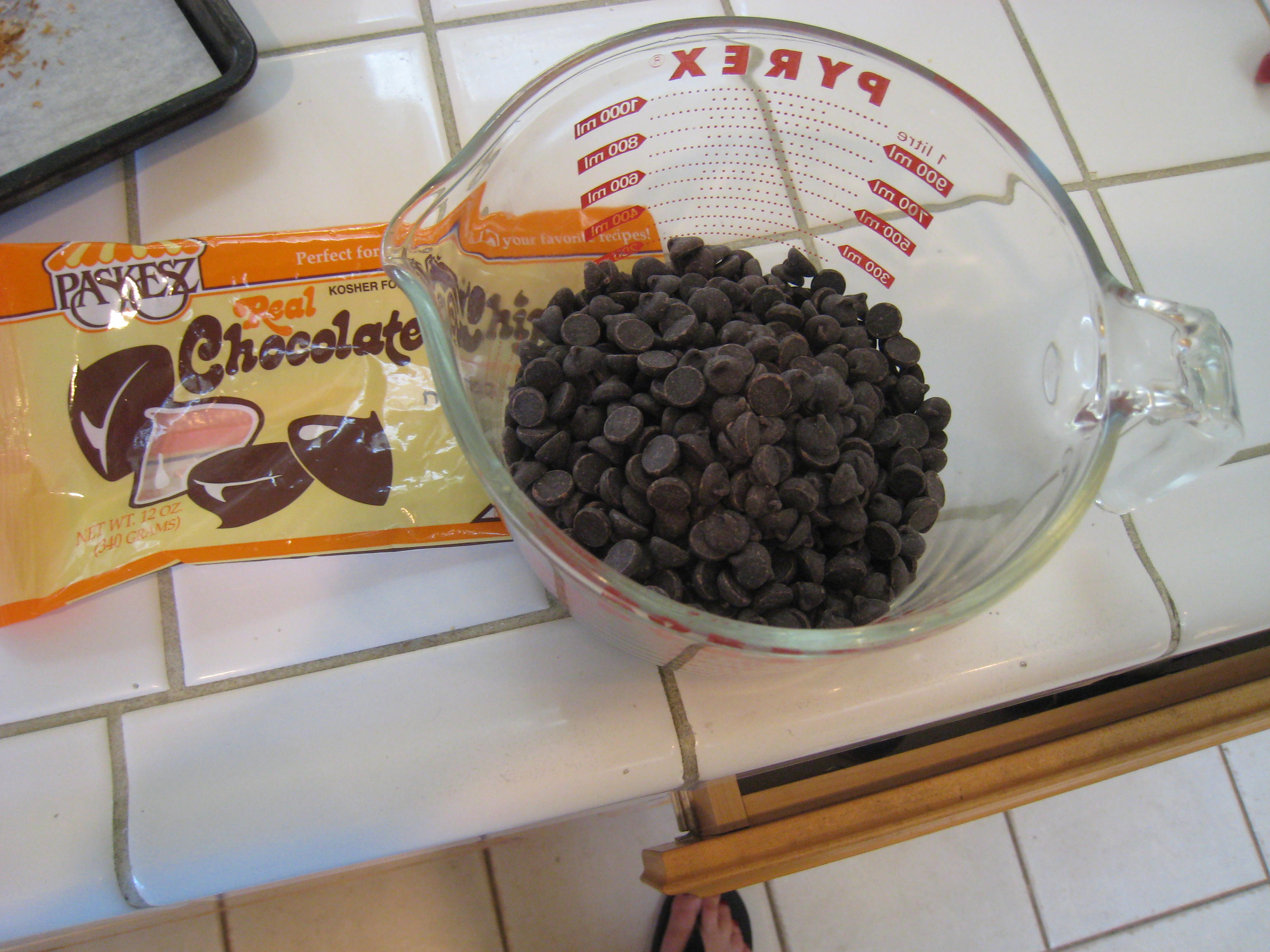
2 C ( usually 1 pkg) chocolate chips (*we use pareve K for Passover chips)

Preheat oven to 350 degrees.  Cover a cookie sheet with parchment paper.  Spread with the shredded coconut.

toast cocnut in the oven for 10 minutes….stir often.

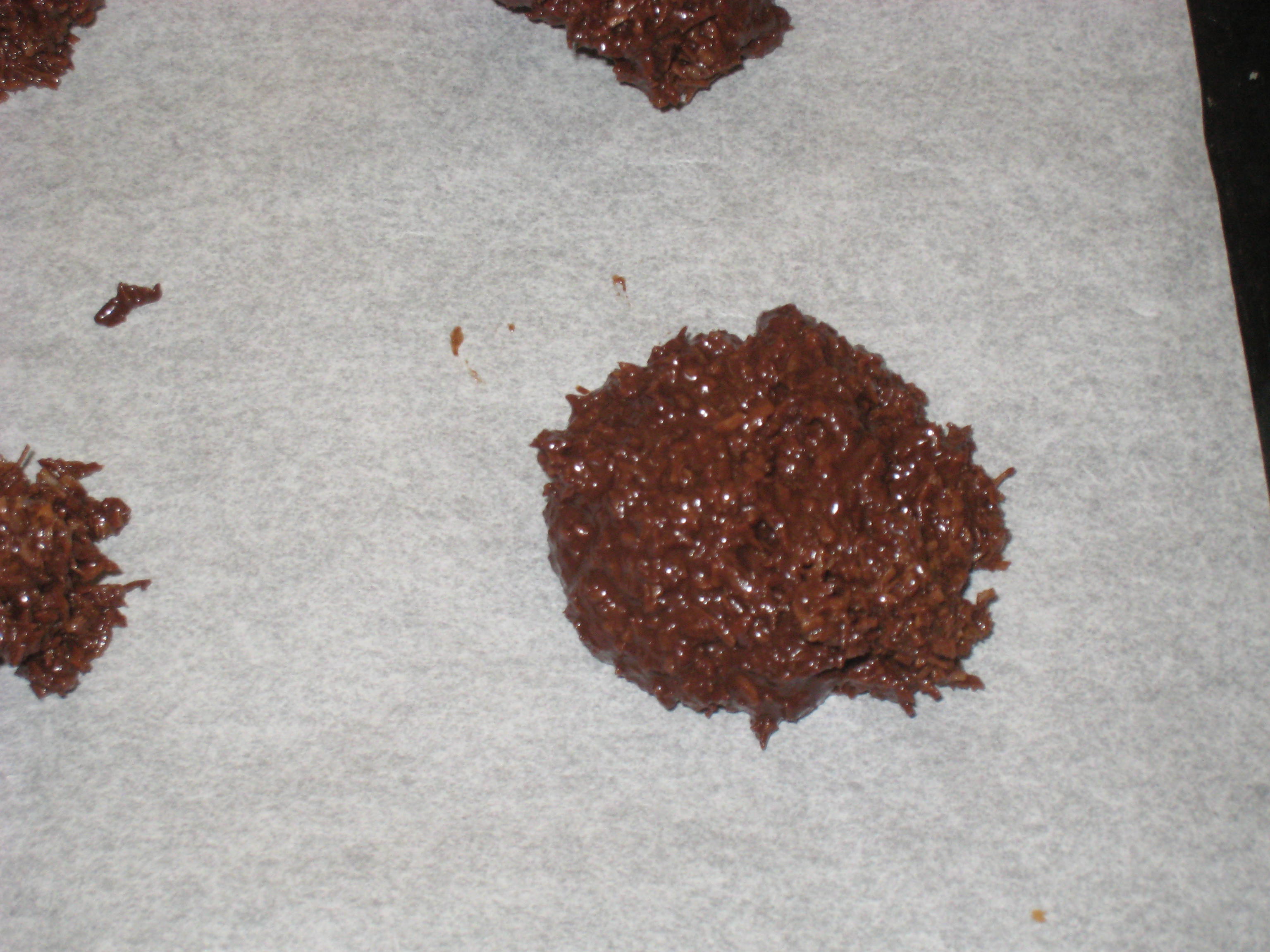
Place chips in a microwave safe cup or bowl.  Melt in microwave, using 45 second intervals.  Stir in between cycles.  Should be throughly melted in 2 – 3 cycles.   Add coconut to melted chocolate.

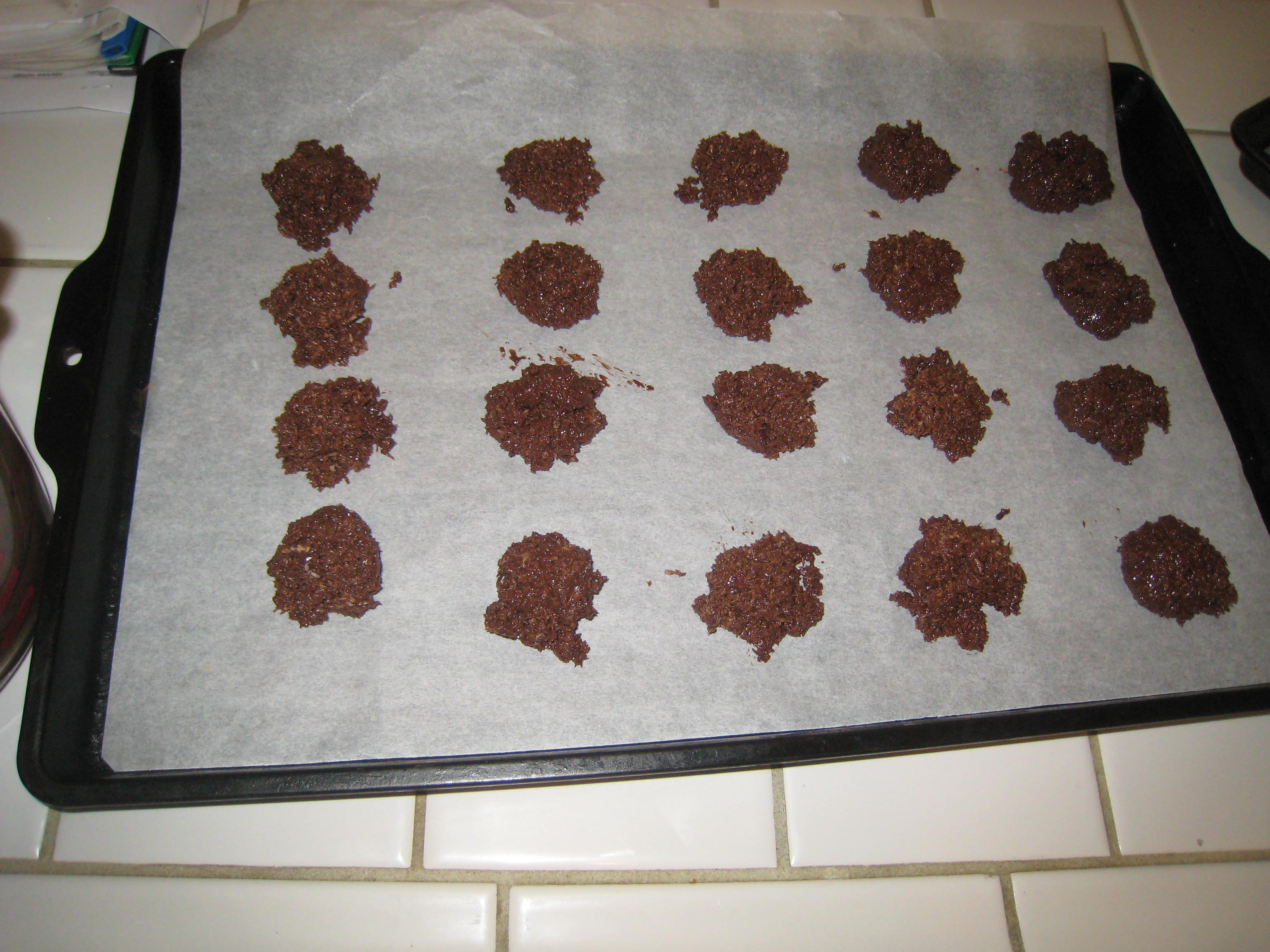
Drop on parchment or wax papered lined cookie sheet.

Refrigerate for 20 minutes.

Delicious!

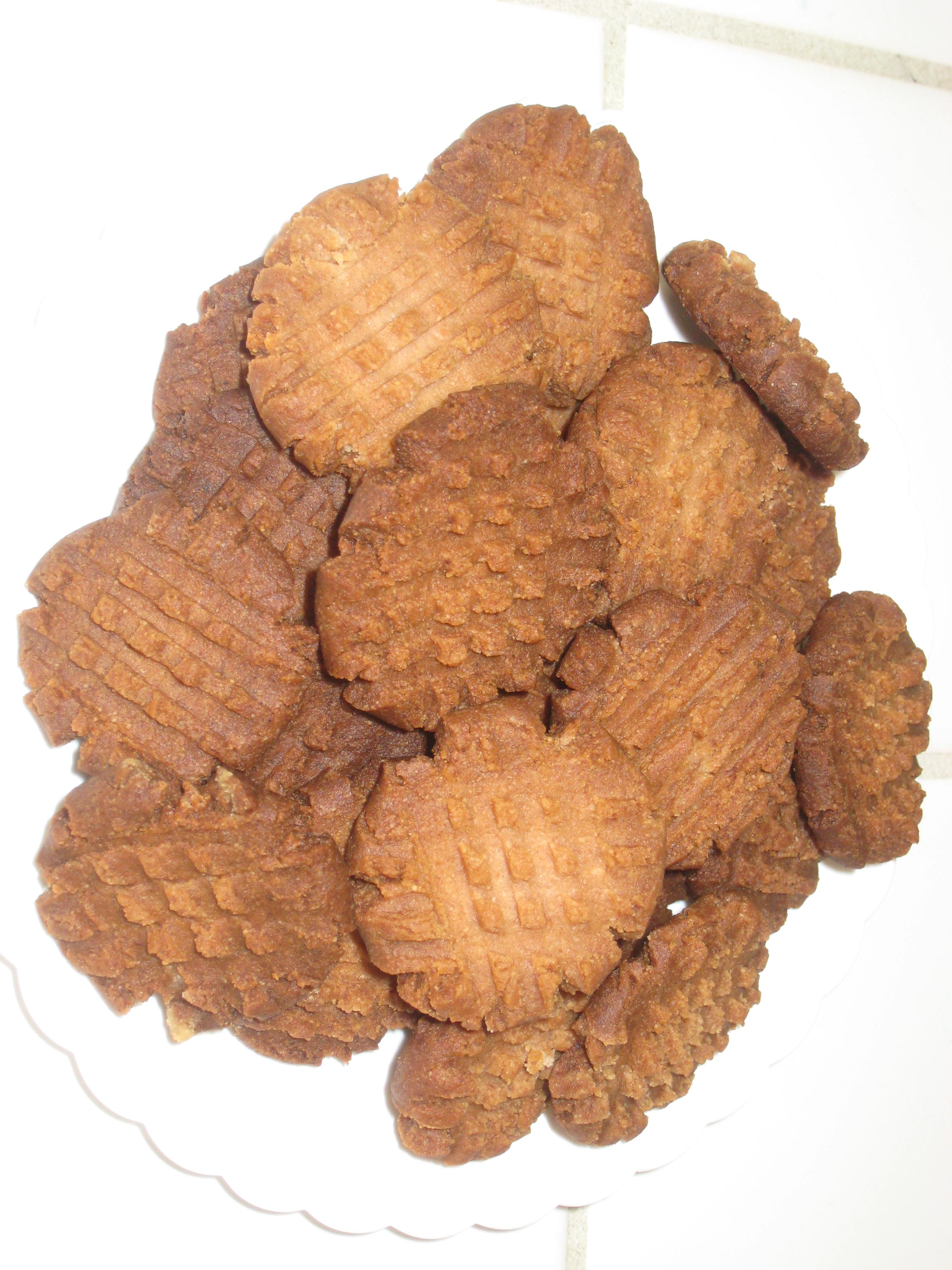
Masa di Vino (Passover Wine Cookies)

Each holiday has it’s special flavors and textures.  One of the special treats we prepare for Pesah is “masa di vino”, a wine cookie with a delightful and unique  taste and texture.  They are easy to make and freeze well.  Give them a try!

Ingredients:

1 C oil

3/4 C sweet wine

3/4 C sugar

1 egg

2 C Passover cake meal

1 C chopped nuts (optional)

1/2 C Passover potato starch

Mix sugar, oil and wine well.  Add egg and dry ingredients.

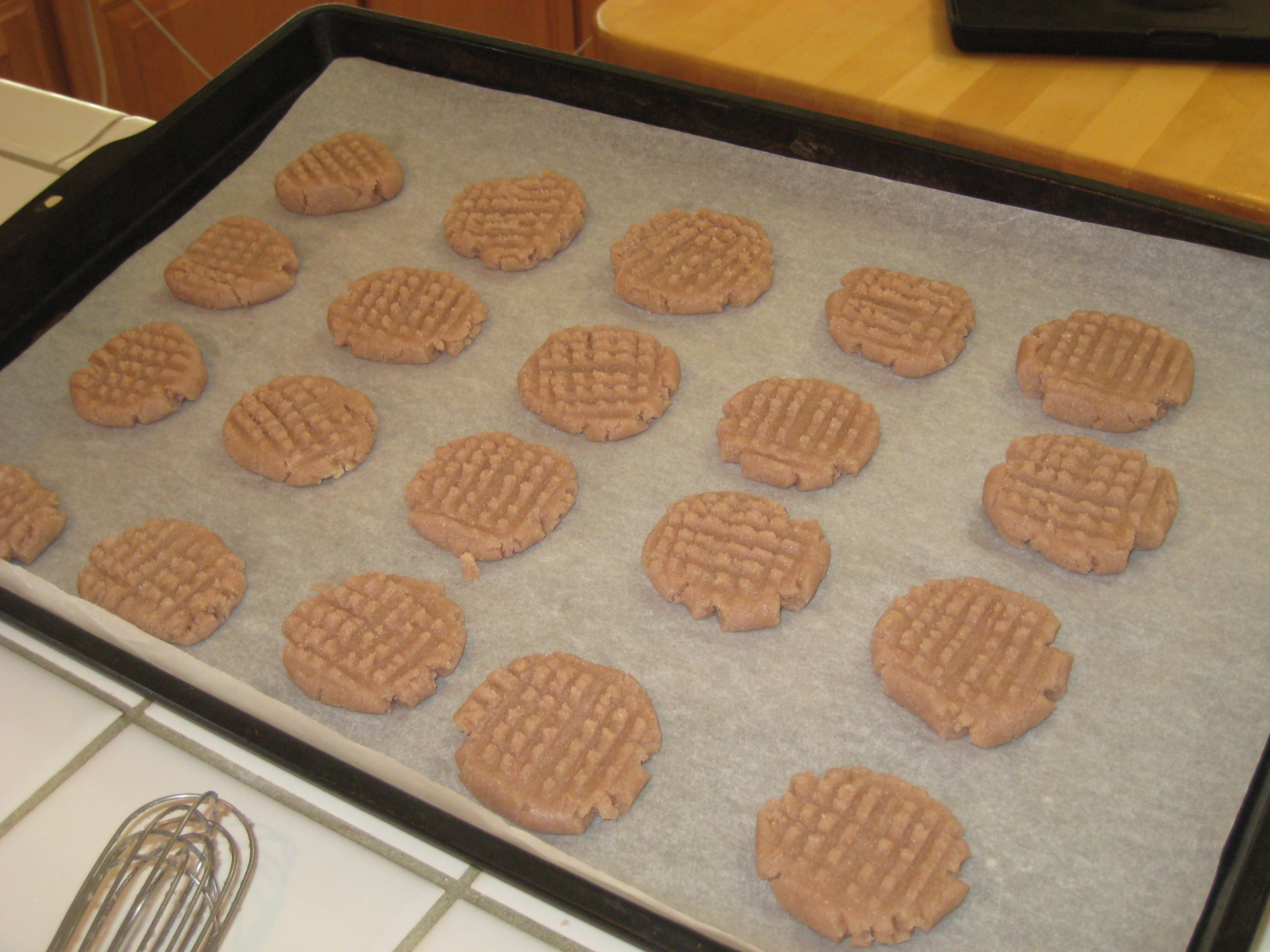
Take walnut sized pieces of dough. Roll into a ball.  Place on a parchment lined cookie sheet.

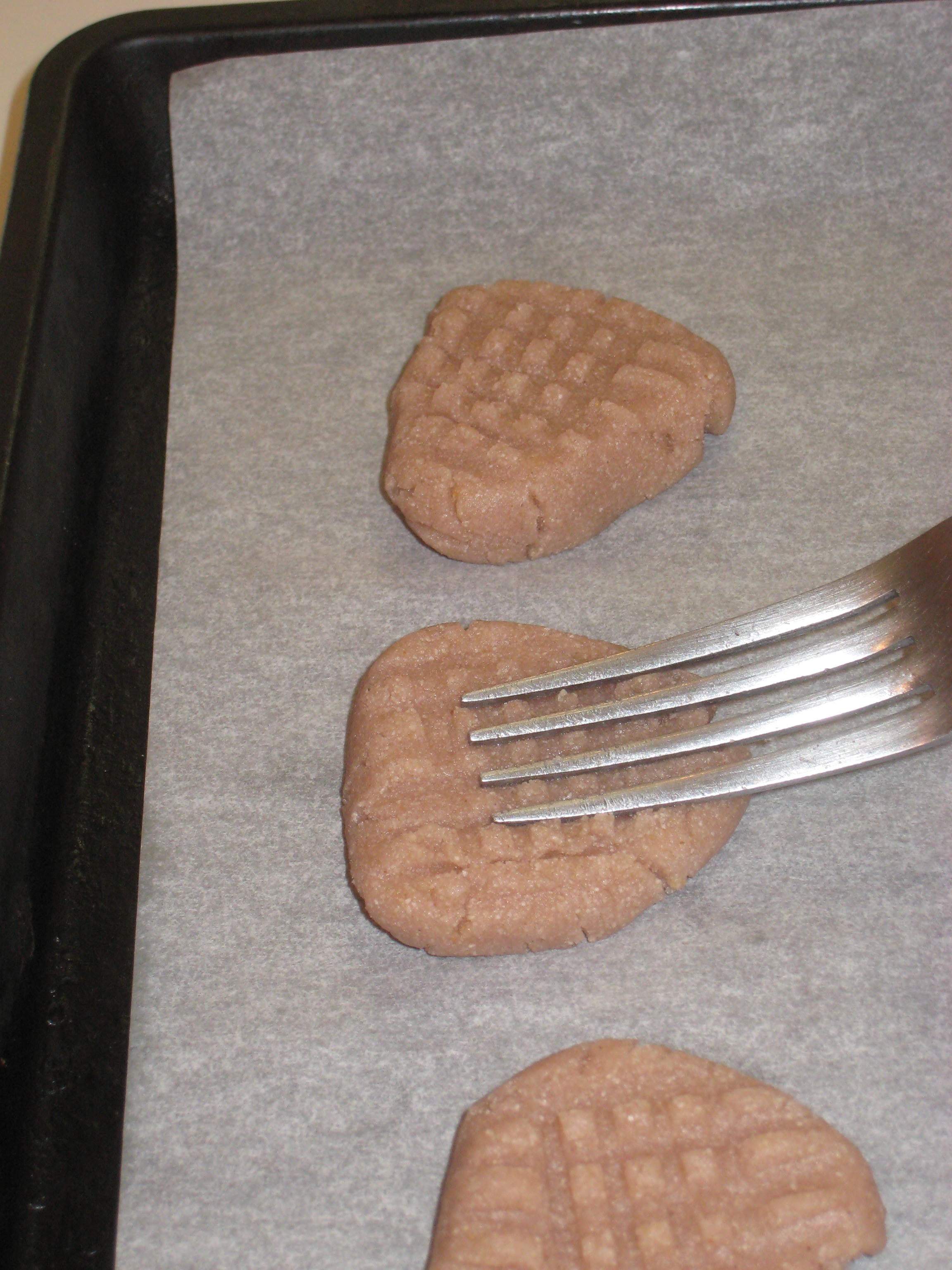
Flatten by hand. With tines of a fork, press each cookie to produce a design.

Bake at 350 degrees for 30 minutes.

Enjoy!

Bendichas Manos!!!!

” Kien Su Piense Entendiense” and “Un Kavretiko” for Pesah

Ours is a fairly traditional Passover family seder read in English, Hebrew and Ladino.  My dad looks for interesting readings and thought provoking questions to add each year.  And through the generations ( there are 4 generations around our tables these days – mashala!)  some of the favorite moments are those readings in and singing of the Ladino words that are special and unique to our community, our family.  My dad, Jack ( “Yaaco Pasha“) Israel, has prepared the words of two of our favorite Pesah songs so I could post them.  Perhaps you and your family already do, or this year will, add them to your seder as well.

*words are based on the transliterated version originally supplied to us by Rabbi Shelton Donnell. These are the versions we sing and the words we use. We are aware that other families use different words and phrases and may, perhaps, spell the transliterated words differently. We welcome your addition of different words and phrases and spellings.  Add them to the “comments” box so we can share them with all our readers!!!

Looking forward to cooking and preparing more family treats in the days ahead.  Let us know what you are making, too!!

“Bendichas Manos!”

************

“WHO KNOWS ONE?”  (kien su piense)

Kien su piense y entendiense, alavar al Dio kriense,

Continue reading

Moustachudos (nut confection)

In our home, we have always used a variety of nuts in baking……almonds and walnuts, in particular.  Moustachudos make a good Pesah dessert. The cloves give them a special “kick”.  These treats can be made in advance and freeze well.

Ingredients for Moustachudos:

1 1/2 C pecans or walnuts, coarsely ground

1 1/2 C almonds, coarsely ground

3/4 C sugar

1/2 tsp cinnamon

1/2 tsp ground cloves

1 egg

water – 1/2 eggshell full

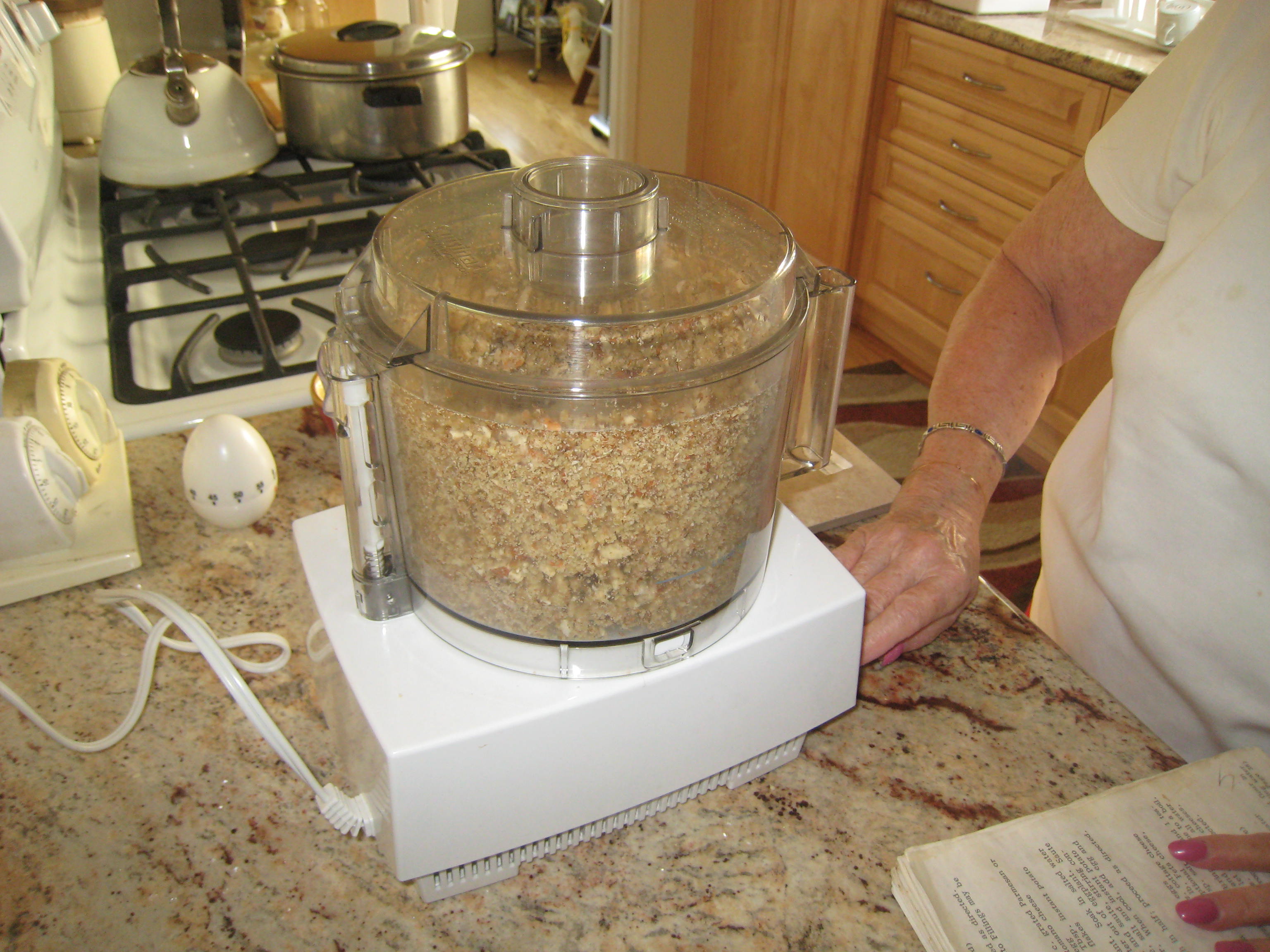
Coarsely grind all nuts.

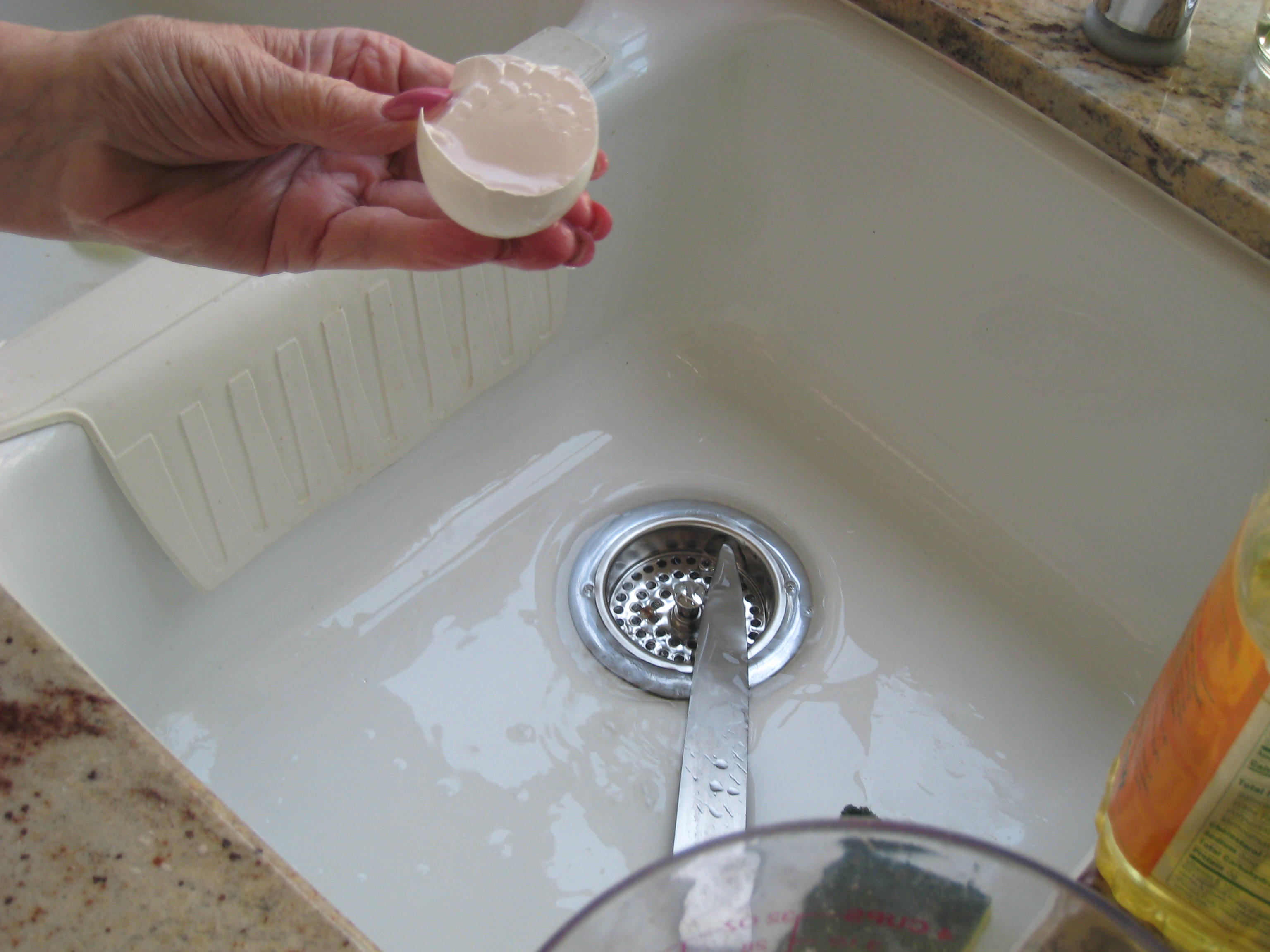
Add other ingredients including 1/2 eggshell filled with water.  (folks, that’s how it’s done!!)

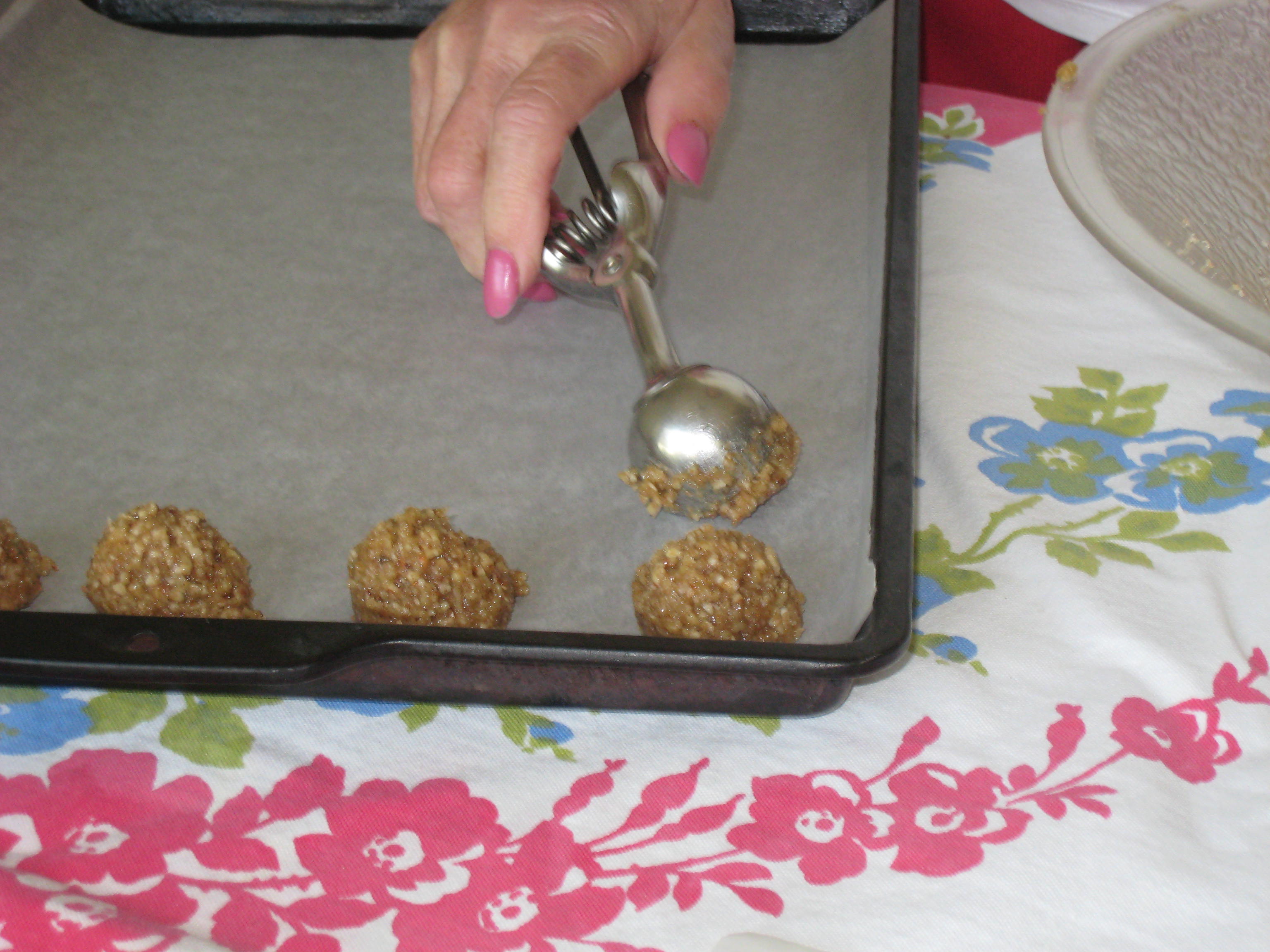
Shape into triangle or ball shapes about 1″ in diameter.

Place on cookie sheet lined with parchment paper.  Bake for 5 or 10 minutes in a 400 degree oven until lightly brown.

Allow to cool and harden before removing from pan.  Sprinkle with confectioners’ (powered) sugar.

Marochinos (almond macaroons)

Marochinos are a favorite for Passover.  My mom has taught a class at our synagogue, and several people have adopted these as a special pareve (non-dairy) dessert that they now make throughout the year.  Make a batch and enjoy them!!

Ingredients:

2 C blanched almonds

1 C sugar

2 eggs…whites only

Grind blanched almonds to near a fine consistancy.  Mix in a bowl with sugar.

Beat egg whites until frothy and add almonds and sugar.  Mix until biscuit-dough consistency.  Using a tablespoon or metal scoop, drop 1″ apart on cookie sheet lined with parchment paper.  Bake for 10 minutes in a pre-heated 350 degree oven.

Allow to cool completely before handling. Will harden as they cool.